
Testosterone Therapy — Tampa
Low T is a lab result, not a vibe.
Feeling drained, low, or unfocused isn't a diagnosis — it's a reason to get tested. We confirm low testosterone with real bloodwork, rule out look-alike causes, and treat only when the evidence says treat.
Last reviewed 2026-07-23 · Sources on this page

The evaluation
Symptoms get you tested. Labs get you answers.
Fatigue, low libido, lost muscle, brain fog — these can come from low testosterone. They can also come from sleep apnea, thyroid problems, depression, medications, or simply overdoing it physically. That's why major medical guidelines require laboratory confirmation before anyone calls it low T.
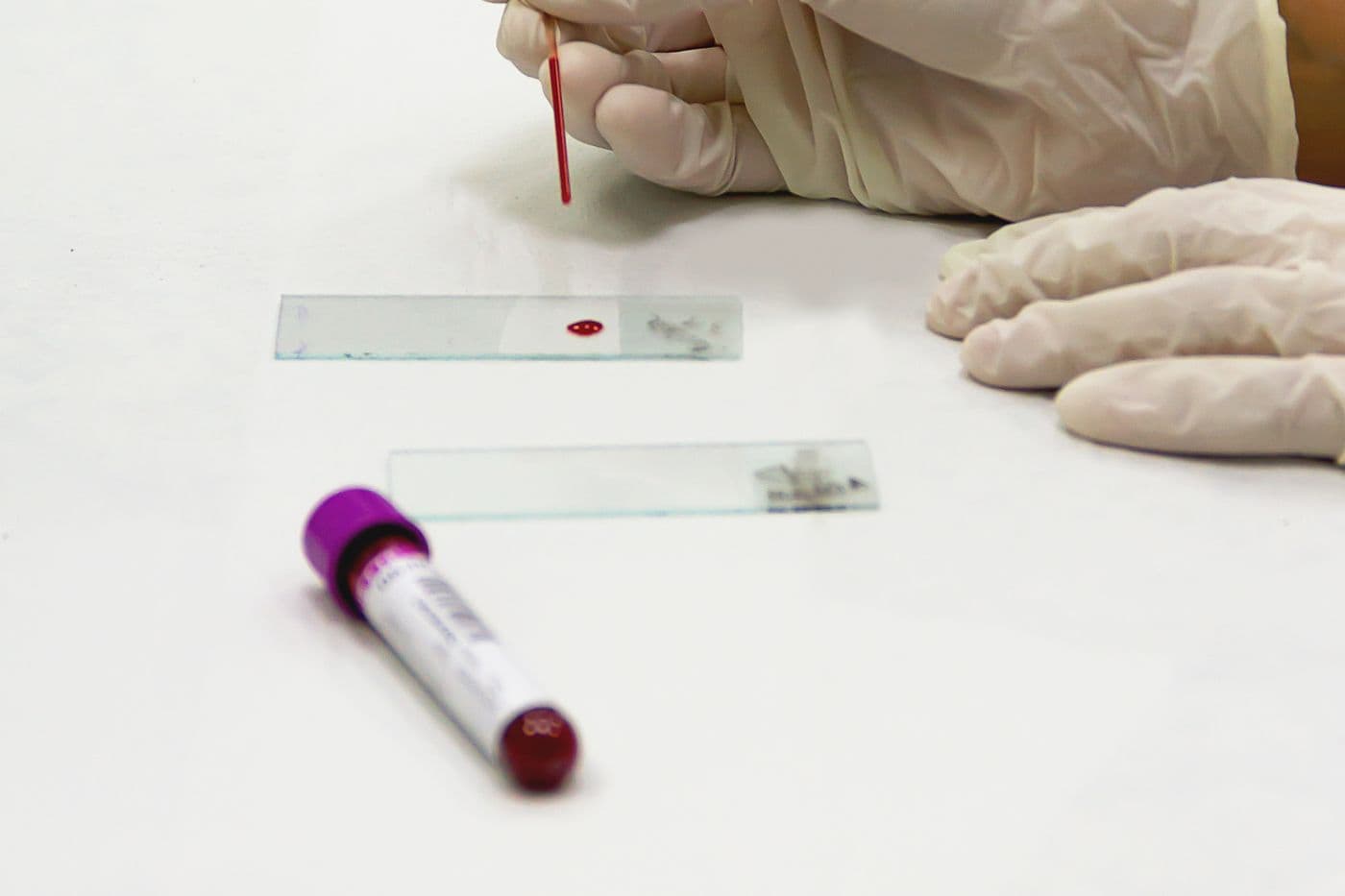
Your evaluation starts with a real conversation and an exam, then targeted blood work — including testosterone measured on two separate mornings, because a single reading can mislead.
- Full health history and symptom review
- Two separate early-morning testosterone measurements
- Screening for other conditions that mimic low T
- Physical exam and review of current medications

If treatment is indicated
The plan is yours. The medicine is ours to explain.
If — and only if — your labs and your evaluation confirm that testosterone therapy is appropriate, your clinician walks you through the real options, including injectable and topical formulations, how each is used, what each costs in effort, and what the trade-offs are.
You'll also hear the alternatives, including treating other causes first and the option to do nothing. A prescription is never assumed, never promised, and never the goal of the visit.
Risks & contraindications
The part most ads skip.
Testosterone therapy has real risks, and you deserve them in plain English before you decide anything. It can suppress your body's own sperm production — which matters if children are in your plans. It can raise red blood cell counts, which is why hematocrit is monitored. It can worsen acne and untreated sleep apnea, and prostate health is monitored throughout treatment.
Some men should not take TRT at all. Reviewing that honestly is part of the evaluation, not a footnote to it.
- Fertility: TRT can suppress sperm production — tell us if children are in your plans
- Blood: hematocrit is monitored on a defined schedule
- Prostate: screening and monitoring appropriate to your age and risk
- Not appropriate for everyone — contraindications reviewed before any prescription
Monitoring
The follow-through is the treatment.
TRT without monitoring is how men get hurt. Your plan includes scheduled follow-ups — which you can take in the office or by telehealth — repeat labs at defined intervals, and dose adjustments based on how you respond, with clear criteria for when to change course or stop.
You're not buying a prescription. You're entering a monitored medical program, and we take the monitoring half as seriously as the prescription half.
At a glance
Lab requirements
- Two separate early-morning total testosterone measurements on different days
- Baseline blood count (including hematocrit) before treatment
- Prostate screening appropriate to age and risk, per clinician judgment
- Additional labs as indicated to rule out other causes of symptoms
Ongoing monitoring
- Repeat testosterone levels after treatment begins and after any dose change
- Hematocrit monitoring on a defined schedule
- Prostate monitoring appropriate to age and risk
- Regular symptom and side-effect review at follow-up visits, in person or by telehealth
Who should not start
- TRT is not appropriate for everyone — including men trying to conceive and men with certain prostate, blood, cardiovascular, or sleep-apnea conditions. Your clinician reviews contraindications with you before any prescription.
In person or by telehealth
Care here is available two ways: in person at our Tampa office, or by telehealth. Consultations and follow-up visits can be either — whichever suits you.
Blood draws and any hands-on examination are done in person, because they cannot be done any other way.
Telehealth visits require you to be physically located in Florida at the time of the visit.
Florida telehealth
Not near Tampa? Testosterone consults and follow-ups are also available by telehealth anywhere in Florida, with blood drawn at a site near you.
Testosterone consults by Florida telehealthQuestions
Straight answers.
What are the signs of low testosterone?
Commonly reported signs include fatigue, reduced sex drive, erectile difficulties, loss of muscle, increased body fat, and low mood. Every one of these is nonspecific — which is exactly why diagnosis requires lab confirmation, not a symptom checklist.
How is low testosterone actually diagnosed?
Per major guidelines: consistent symptoms plus low testosterone measured on two separate early-morning blood draws. One reading is not enough, and symptoms alone are not enough.
Will TRT affect my fertility?
It can. Testosterone therapy commonly suppresses sperm production. If children are in your plans — now or possibly later — tell your clinician before starting. Alternatives and timing strategies exist, and this conversation is a standard part of our evaluation.
Is TRT safe long-term?
TRT has known risks that are managed through monitoring — hematocrit, prostate health, symptoms — and open questions that we discuss honestly. Ongoing labs and follow-ups are a required part of treatment here, not an optional extra.
Do you prescribe testosterone at the first visit?
No prescription is guaranteed at any visit. Treatment is offered only after laboratory-confirmed diagnosis, contraindication review, and a shared decision with your clinician.
More questions? Ask us directly — a full FAQ hub launches with the complete site.
Sources & review
- Testosterone Therapy in Men With Hypogonadism: An Endocrine Society Clinical Practice Guideline (2018) — The Journal of Clinical Endocrinology & Metabolism
- Testosterone Deficiency Guideline — American Urological Association
- Testosterone information and safety communications — U.S. Food and Drug Administration
Last reviewed 2026-07-23. Clinical content on this page is reviewed before publication; reviewer names publish after credential verification.
Take the first step
Get the number before you get the needle.
Request a consultation. We'll order the right labs, explain what they mean, and tell you straight whether TRT is worth considering — or whether something else is going on.
Tampa, FL 33618
Monday to Friday, 9am to 5pm
Clear Men's Health does not provide emergency medical care. If you think you are experiencing a medical emergency, call 911 or go to the nearest emergency department.
Start here